



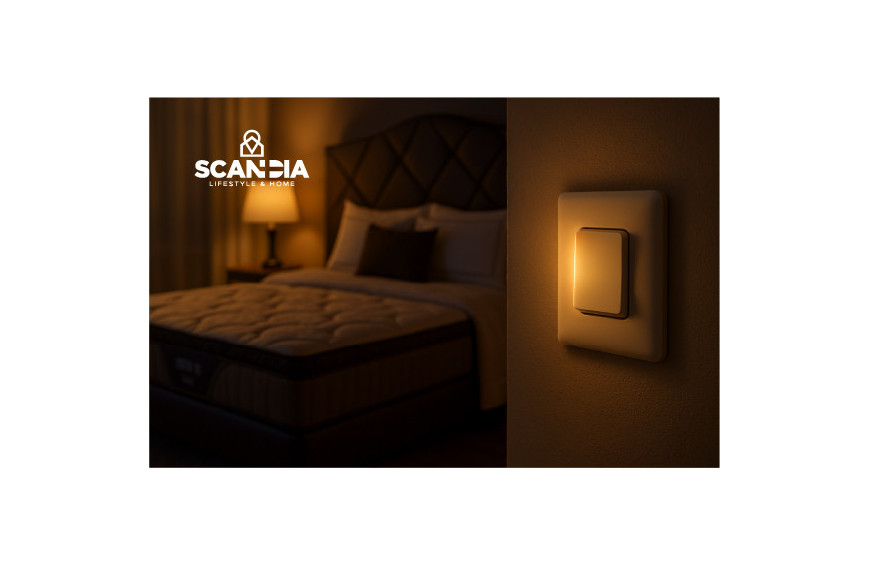
Sleeping with the Lights On Can Harm Your Health!
Sleep is a crucial time for the body to recover. However, sleep quality isn’t only affected by how long you sleep, but also by your environment, including lighting. Scientific studies have shown that sleeping with the lights on can disrupt your body’s natural rhythm and trigger various health issues.
How Does Light Affect Sleep?
The human body has a circadian rhythm, an internal biological clock that regulates the sleep-wake cycle. This rhythm is highly influenced by light and darkness. When it gets dark, the pineal gland in the brain starts producing melatonin, a hormone that induces sleepiness and helps the body enter deep, restorative sleep.
However, exposure to light, especially blue light from LED lamps or gadget screens, can delay or suppress melatonin production. As a result, it becomes harder to feel sleepy, and the quality of sleep may decline.
Scientific Evidence to Consider
Several studies support the negative effects of light exposure during sleep:
1. A 2022 study by Northwestern University found that even one night of sleeping under dim light (around 100 lux) can increase heart rate during sleep and disrupt cardiovascular and metabolic functions.
2. Research from the National Institutes of Health (NIH) showed that light exposure during sleep is linked to a higher risk of weight gain, insulin resistance, and high blood pressure.
3. A study published in the journal Sleep Health stated that people who sleep with the lights on are more likely to experience depression and mood disturbances.
Health Impacts of Sleeping with the Lights On:
1. Disrupted melatonin production
2. Increased stress and fatigue
3. Metabolic disorders
4. Mood swings and reduced concentration
What Can You Do?
To improve sleep quality and protect long-term health, here are a few steps you can take:
1. Turn off the main lights before bed; even small lights should be avoided if possible.
2. Use blackout curtains to block outside light.
3. If you need lighting, choose warm-colored night lights (<40 lux) or amber lights that emit minimal blue light.
4. Avoid using gadgets for at least an hour before bedtime.
5. Establish a consistent bedtime routine to keep your circadian rhythm in balance.
Sleeping in the dark isn’t just a habit, it’s a part of your body’s natural balance. Light that may seem harmless at night can affect your hormones, metabolism, and mental state. Simple actions like turning off the light before bed can bring big benefits for both your physical and mental health.
Visit Scandia Now!
Complete every corner of your home with high-quality home living products and furniture at affordable prices. Shop more flexibly in-store, on our website, or through your favorite marketplace.
Visit the nearest store or explore the full collection on our website or marketplace (Tokopedia, Shopee, Renos, Blibli), Visit Scandia now!