



Did You Know? Here Are 7 Fascinating Facts About the History of Dining Rooms!
A dining room is more than just a place to enjoy meals with family or friends—it holds a rich and colorful history. Though often seen as an ordinary area, the dining room has evolved. Here are seven historical facts you might not know about dining rooms!
1. The Dining Room Wasn’t Always a Separate Space
In the past, dining rooms were not always separate spaces. During the Middle Ages, meals were usually eaten in the main hall or even in the kitchen. The concept of a dedicated dining room began to take shape in 17th-century Europe, particularly after the Industrial Revolution, when people began to have more space in their homes.
2. Food and Social Status
In the 18th century, dining rooms became more than places to eat—they were symbols of social status. Among European nobility and aristocrats, the dining room was used to display wealth and prestige. The food served and the table arrangement often reflected one’s social class. The more luxurious the dining room, the higher the owner’s status.
3. Influence of the Industrial Revolution
The 19th-century Industrial Revolution brought major changes to domestic life. With the rise of mass-produced furniture, dining rooms became more common in middle-class homes. Families who previously couldn’t afford a separate dining area could now enjoy meals in a more organized and comfortable space.
4. Table Settings and Dining Etiquette
By the 19th century, dining etiquette became highly significant, especially in Europe and the United States. Strict rules emerged for how to sit, use utensils, and serve courses. These etiquette standards began to influence the layout of the dining table, with chairs and tableware arranged symmetrically and neatly.
5. The Rise of the Round Dining Table
As lifestyles evolved, so did dining table designs. In the 20th century, round dining tables gained popularity, particularly among families. They were seen as friendlier and more inclusive, encouraging open conversation by allowing everyone to see one another. The round table became a symbol of togetherness and intimacy in dining spaces.
6. The Modern Era and Multifunctional Dining Rooms
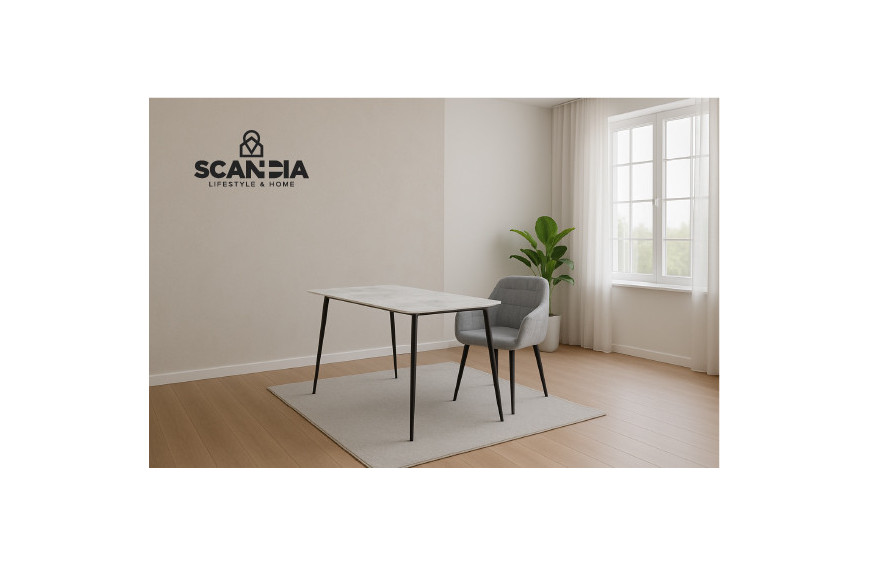
The evolution of modern architecture has significantly transformed how spaces function within the home. Entering the 20th and 21st centuries, limited space in urban areas led to the emergence of multifunctional dining areas that blend seamlessly with kitchens or living rooms. The result is a more relaxed, practical dining experience that still fosters warmth and togetherness. Supporting this lifestyle, options like the SCANDIA Steinar Dining Table 140X80X75 cm Pandora offer an elegant and functional minimalist design that effortlessly complements a variety of modern interior styles.
Photo: Modern dining room

7. The Dining Room as a Social Space
In today’s digital age, the dining room has become more than just a place to eat. Many people now see it as a space to gather and socialize. Sharing meals with family or friends has become more meaningful, and dining rooms are designed to support togetherness and deep conversations. Not only the table, but also comfortable chairs play a key role in creating an enjoyable dining experience. The Foster Dining Chair 55X51x83 cm Grey combines comfort with aesthetic appeal. With its simple yet elegant design, this chair is ideal for modern dining rooms that prioritize both style and comfort.
Visit Scandia Now!
Complete every corner of your home with high-quality home living products and furniture at affordable prices. Shop more flexibly in-store, on our website, or through your favorite marketplace.
Visit the nearest store or explore the full collection on our website or marketplace (Tokopedia, Shopee, Renos, Blibli), Visit Scandia now!